
Jewish Museum
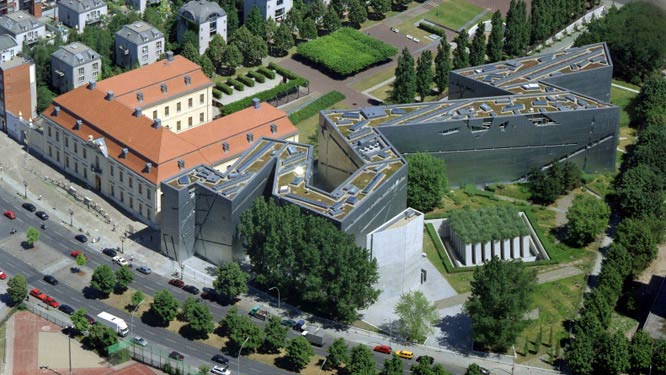 One of the places that was high on our ‘must see’ list in Berlin was the Jewish Museum. I was fascinated by the story told by the architecture by Daniel Libeskind and I can fully understand why the building became a visitor attraction while it was still empty.
Descending the stairs between the old and new buildings you come to three pathways, which represent the three ‘choices’ of German Jews in the 1930’s and 1940’s. One of the pathways lead to a dark tower, lit only by a narrow strip of light high up, the tower, as we entered someone allowed the metal door to clang shut behind us … this is the “Axis of the Holocaust“.
The second pathway, the “Axis of Emigration” leads to the garden of exiles with its tall concrete pillars and uneven paths between them, representing the confusion and disorientation people must have felt as they tried to make a life for themselves in a new country.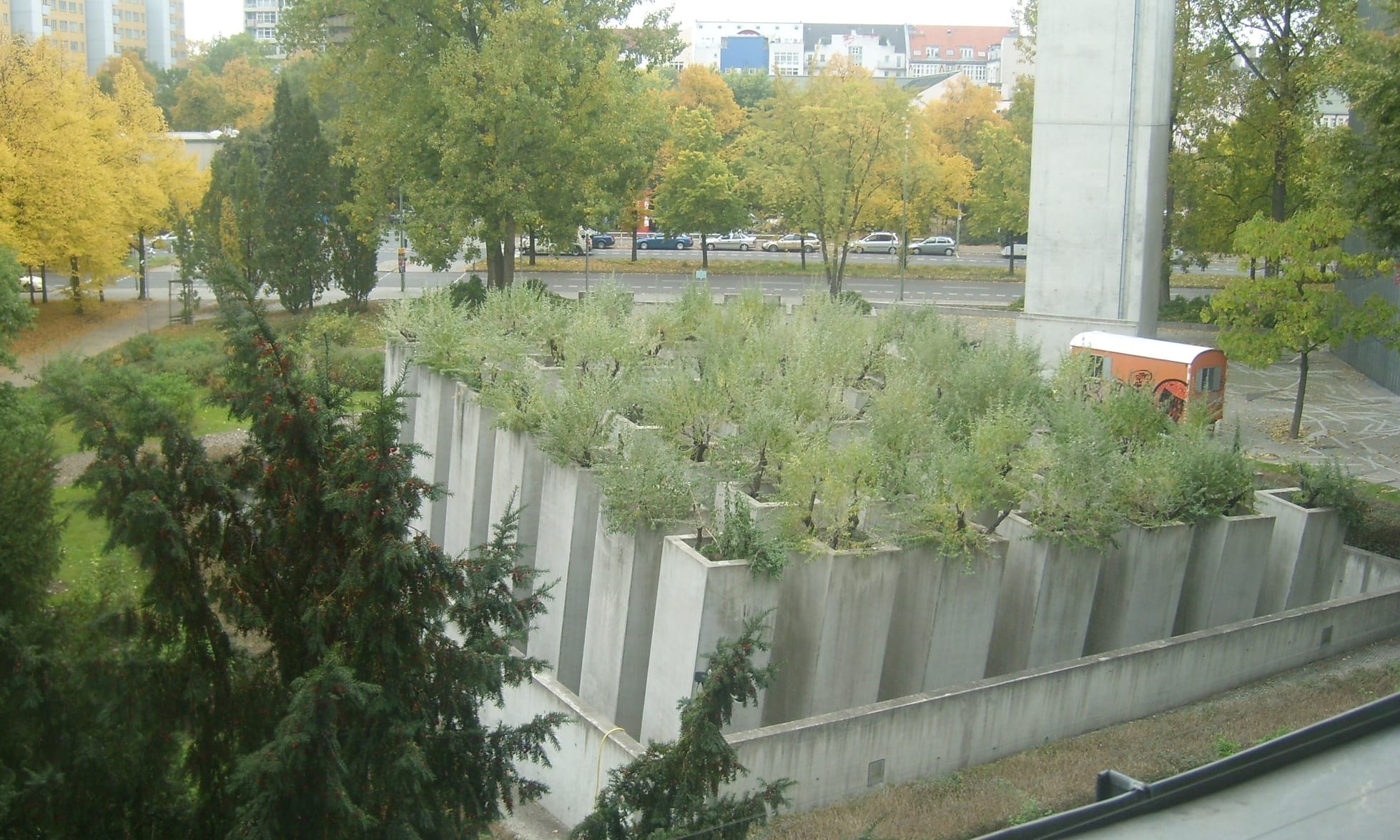
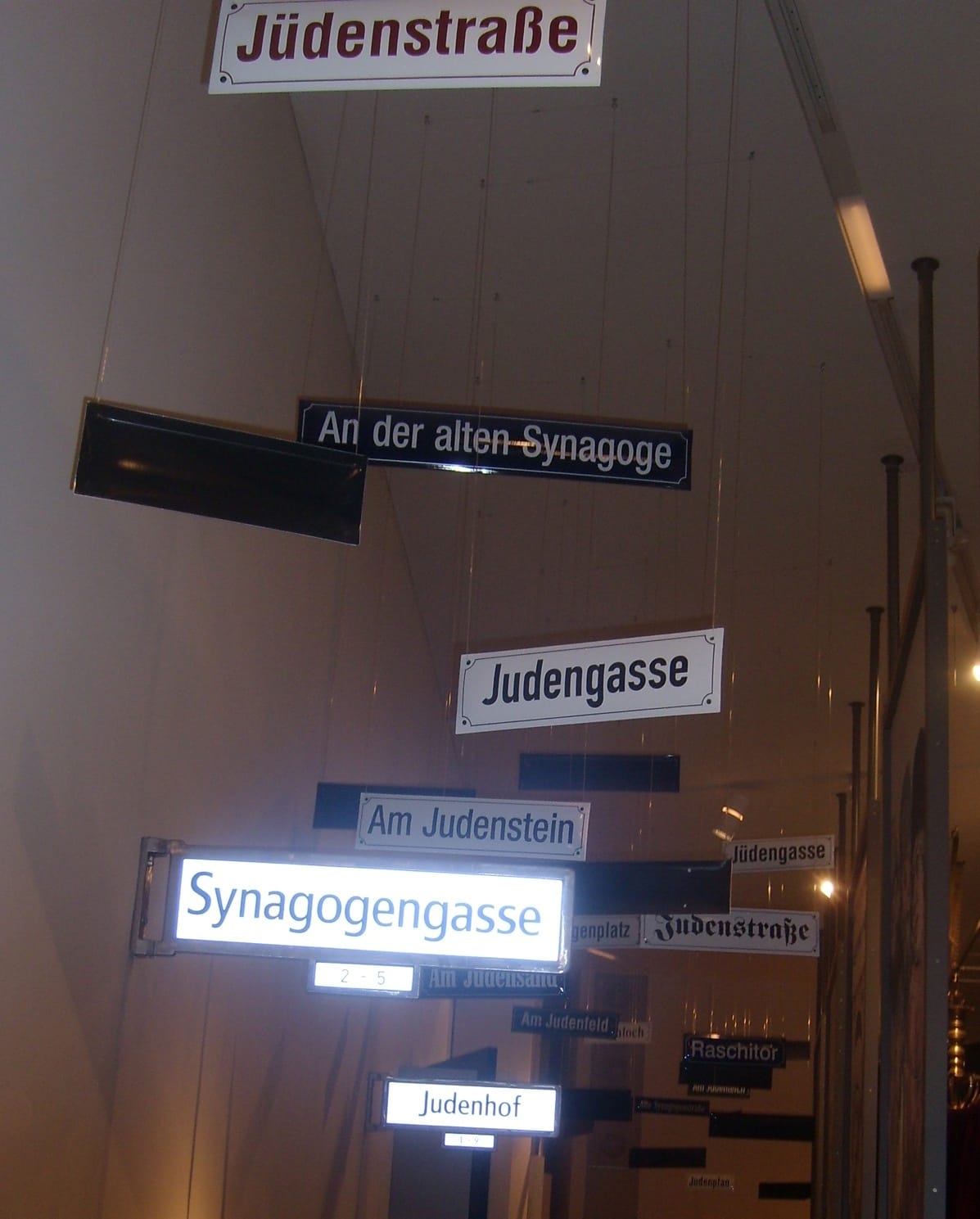
The final pathway, the “Axis of Continuity” leads into the rest of the museum, and the exhibits relating to the history of the Jews in Berlin from their first arrival in 950.
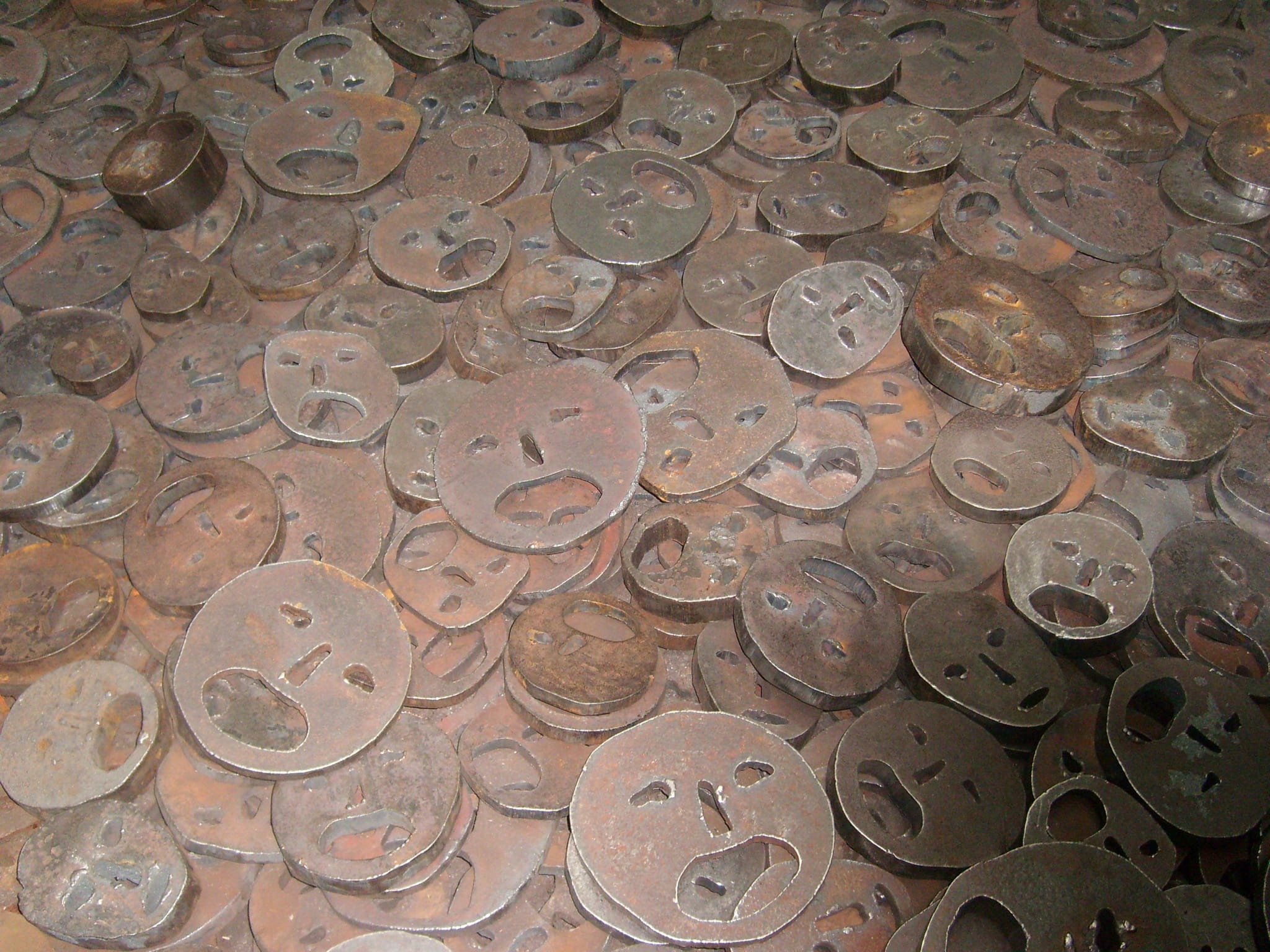
Having toured the exhibition and going through the history of the Jews right up the present, including all the story of National Socialism era, Hitler and the Holocaust, we ended up at the Memory Void. The noise emanating from the void sounded like industrial machinery, and it was amazing to find it caused by the metal discs on the ground, clanking as people walked over them. Each disc was an open-mouthed face and it became very hard to walk amongst them without feeling very emotional. The installation by Menashe Kadishman is entitled “Fallen Leaves” or “Shalekhet” and represents all the innocent victims of conflicts in the past, present and future.
Anyone who visits Berlin, must go to this museum to have a greater understanding of Berlin today.
Comments are closed here.